Colour B
Date
2019-2022
Client
The Studio
Scope of Work
Industrial Design
CAD & Product Development
Visual Direction
The Brief
Overview
A local hairdresser identified a gap in the market for a more functional, purpose‑built colour station. Existing solutions relied on generic bowls and improvised setups, creating inefficiencies during mixing and application. After discussing the idea together, I took on the challenge of developing a modular, professional‑grade unit that could support his workflow and elevate the stylist experience.
The Challenge
Most colour stations are designed around off‑the‑shelf bowls rather than being engineered for the task itself. This leads to unstable stacking, awkward placement and a lack of premium feel. The challenge was to design a system from the ground up that solved these functional issues while remaining compact, durable and intuitive for everyday salon use.
The Approach
I explored a modular, hexagon‑based system that allowed bowls and trays to be arranged in multiple configurations depending on the stylist’s workflow. Working directly in Fusion 360 enabled rapid iteration, precise geometry development and quick testing of how components interacted. The goal was to create a system that felt engineered, intentional and genuinely useful in a salon environment.
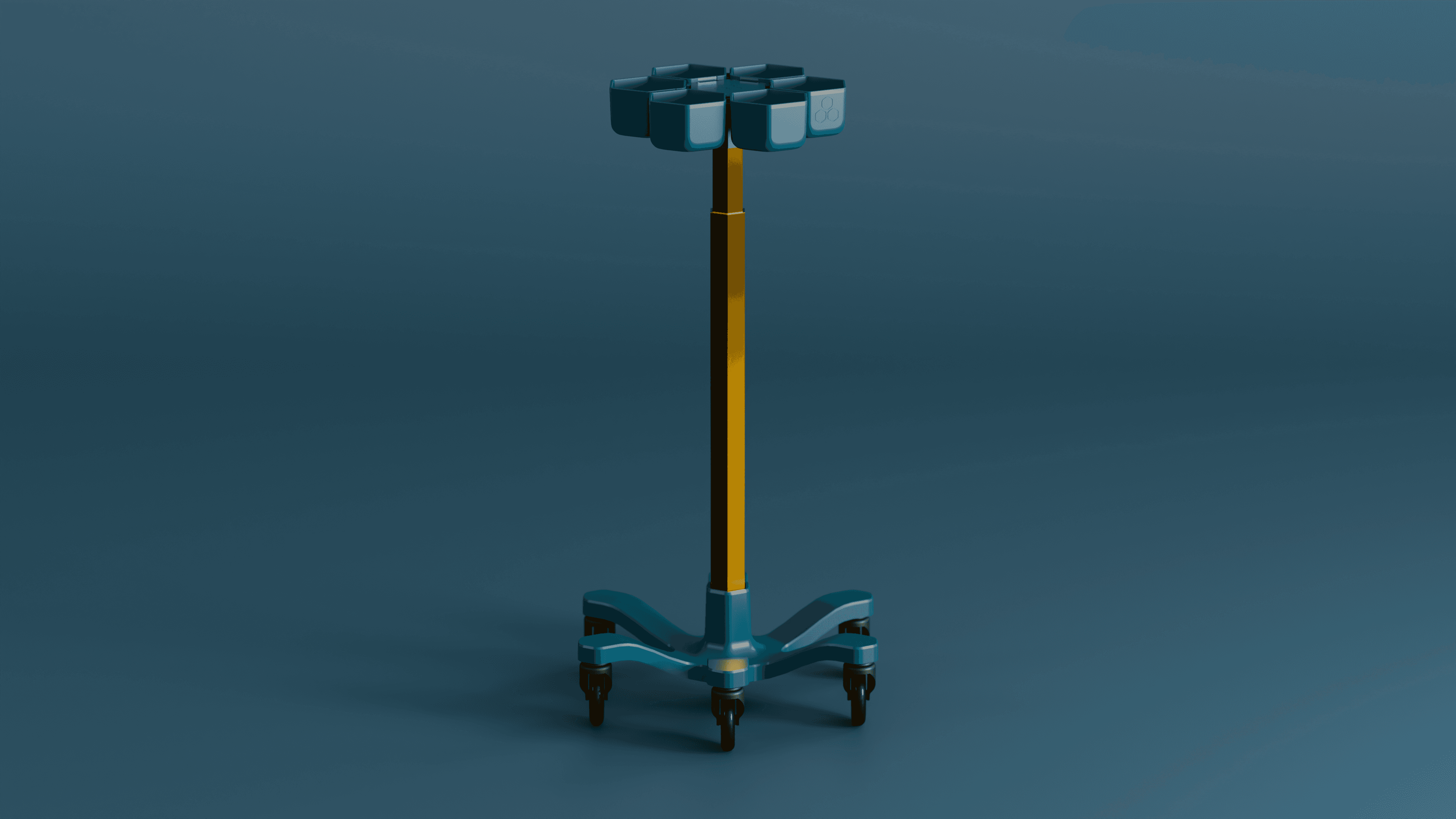
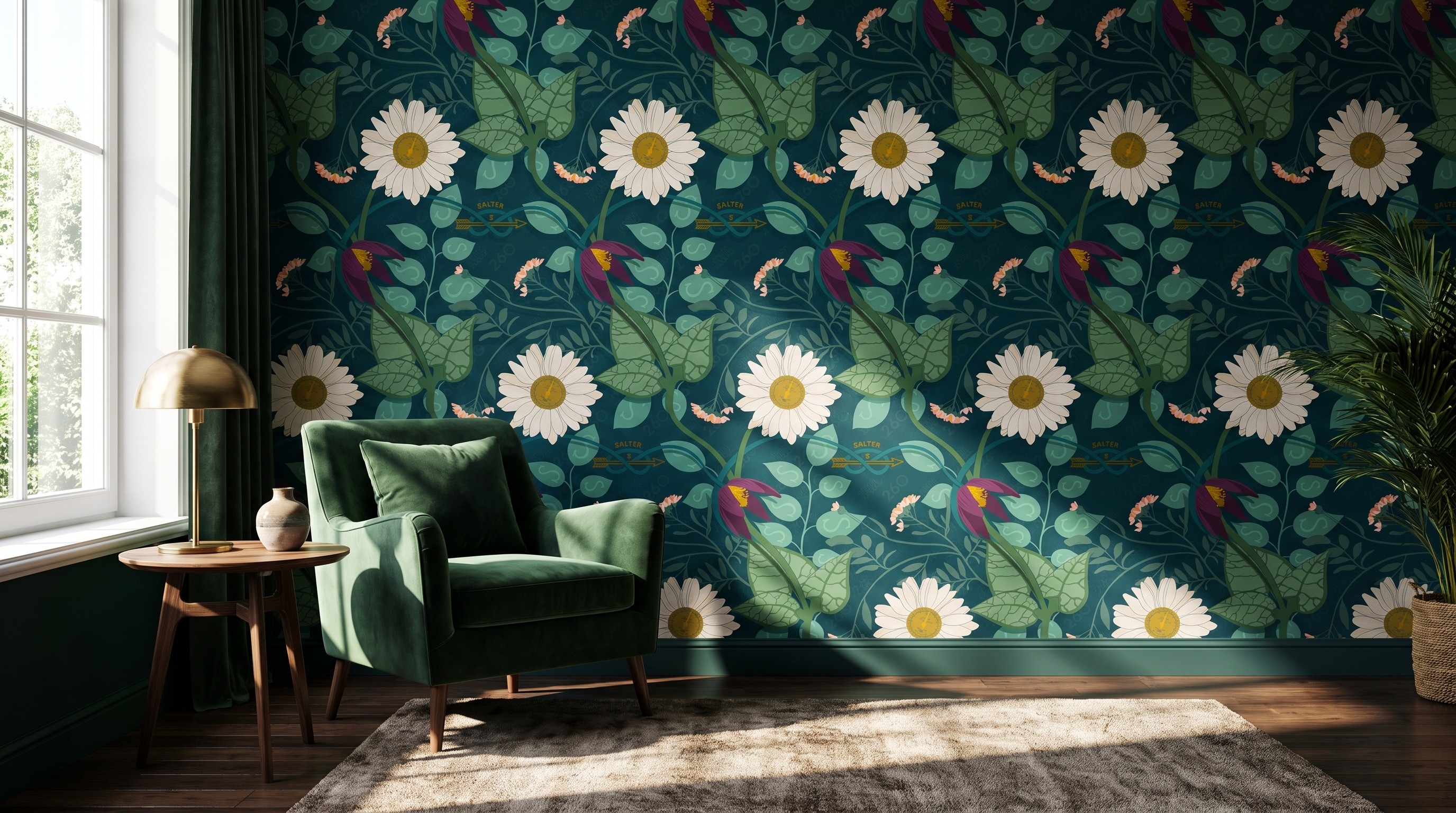
Visual Direction
High-end beauty styling engineered for the shop floor. Clean profiles and soft-touch textures give the product a premium presence that seamlessly blends into professional luxury interiors.


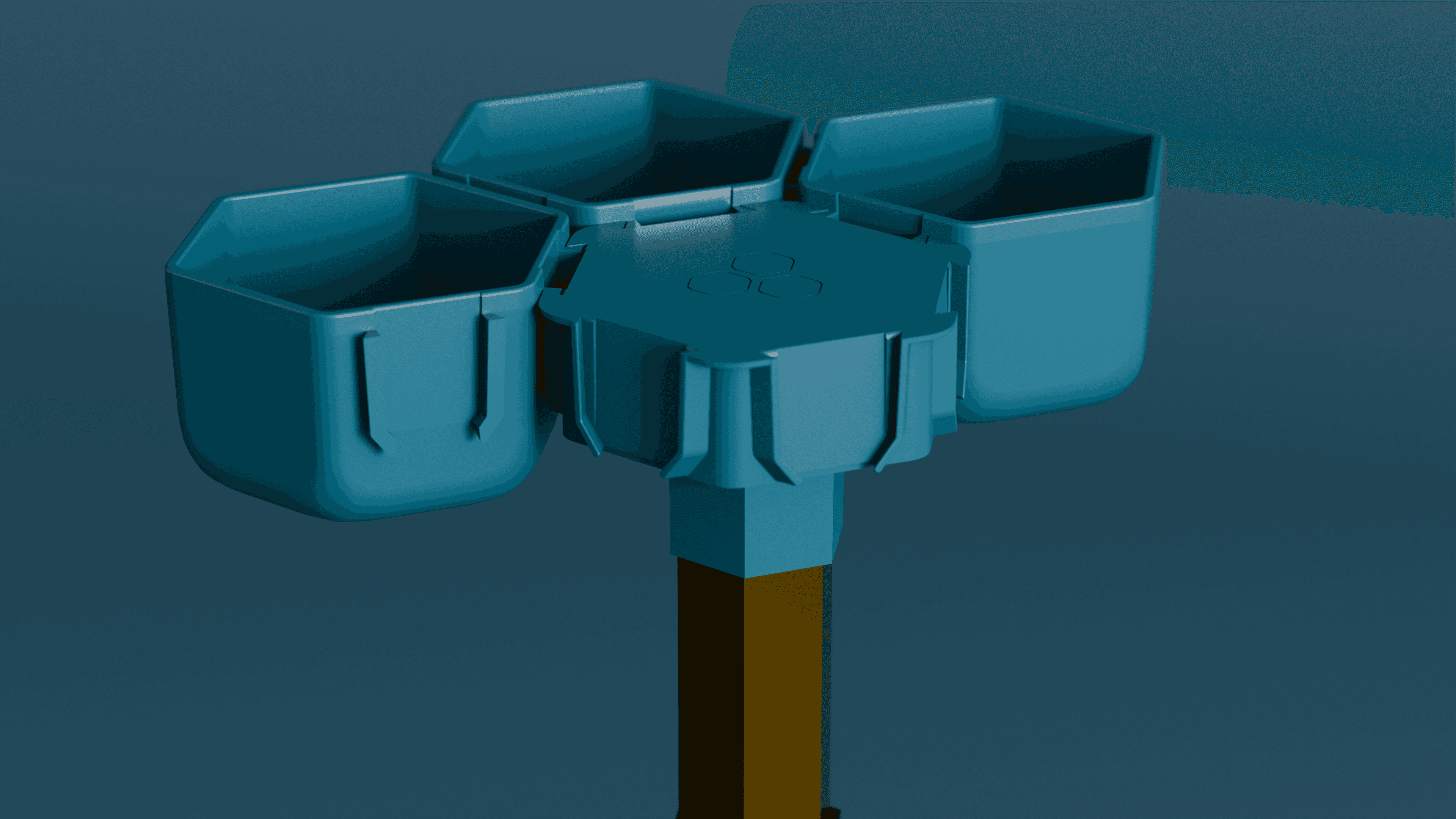
The Anatomy of the Project
Taking initial hardware concepts through 3D modeling, mechanical adjustments, and functional prototyping. The focus was turning early designs into durable, production-ready salon tools that perform reliably under daily professional use.
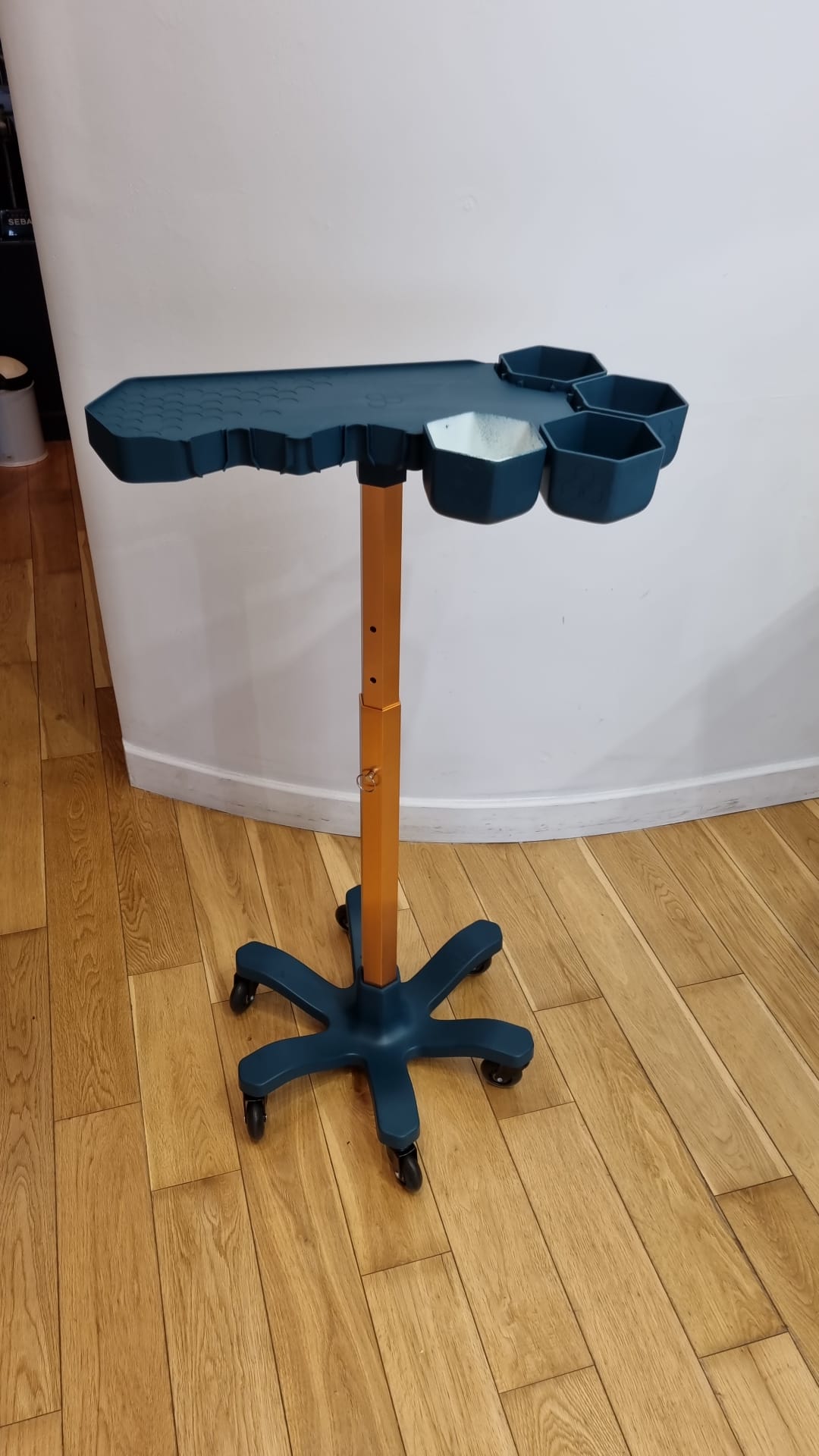
Results
The Execution
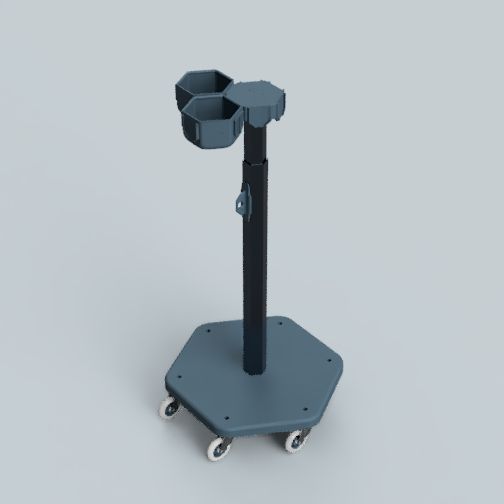
Developed full CAD models for trays, bowls, locking mechanisms and the base
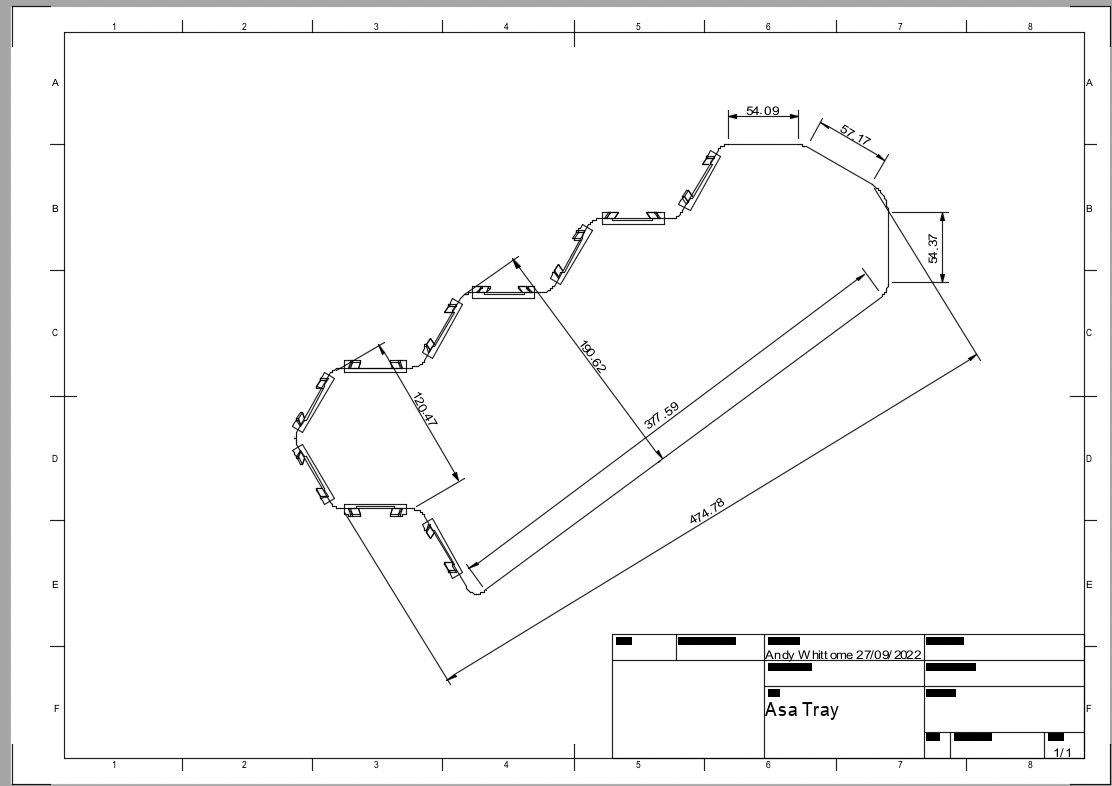
Produced engineering drawings to support accurate prototyping
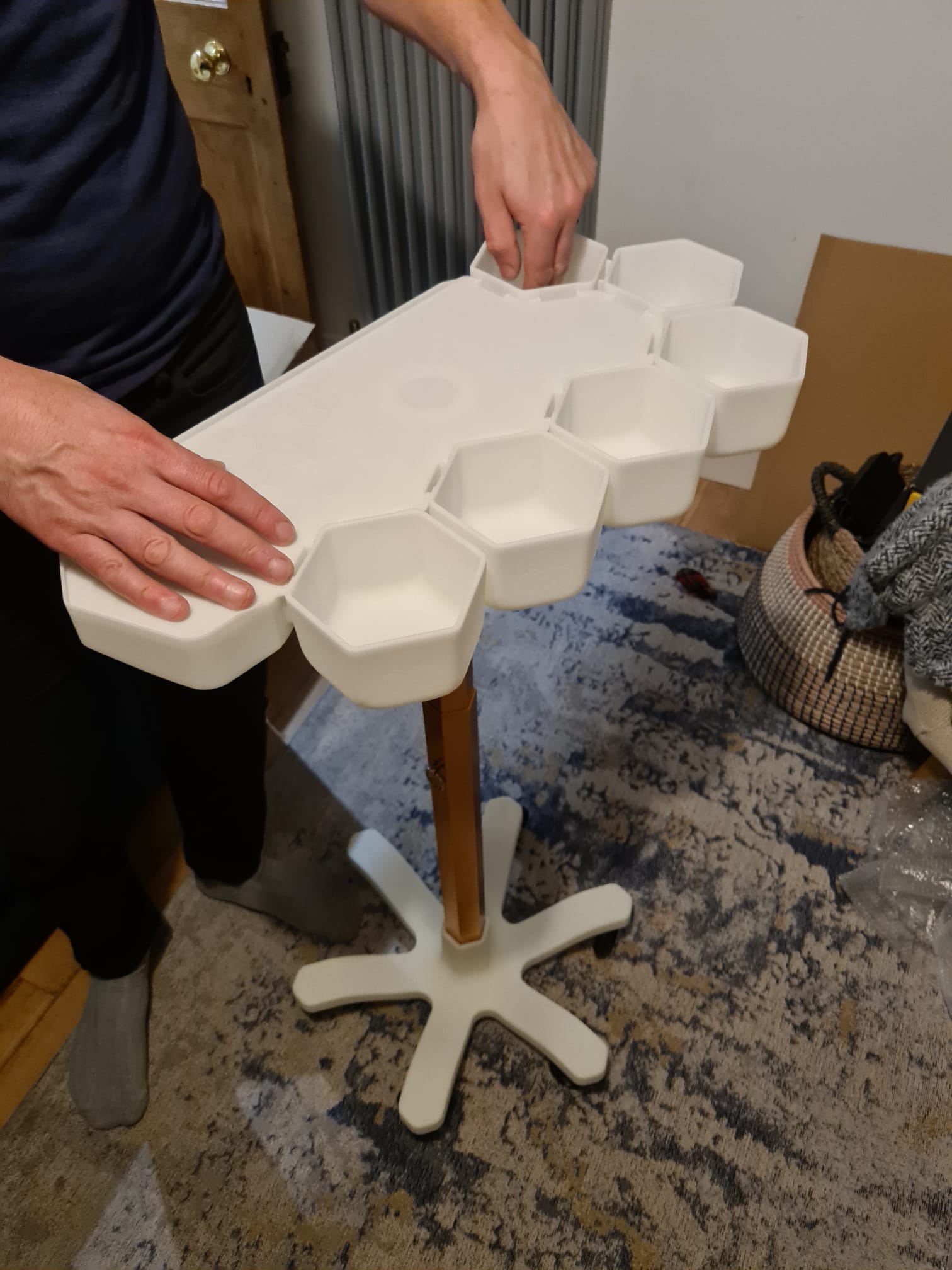
Created multiple rounds of 3D‑printed components to test ergonomics, stability and usability
Refined geometry and interactions through hands‑on feedback from stylists
Built high‑quality prototypes for photography, video and trade‑show demonstrations
Introduced a simple visual identity to support early‑stage brand development
The Solution
The prototypes were well received within the industry and validated the core concept, achieving the functional goals set by the client. Although funding limitations paused full production, the design has since been granted a patent, demonstrating its originality and commercial potential. The project stands as a strong example of user‑led product development, rapid prototyping and CAD‑driven problem solving.